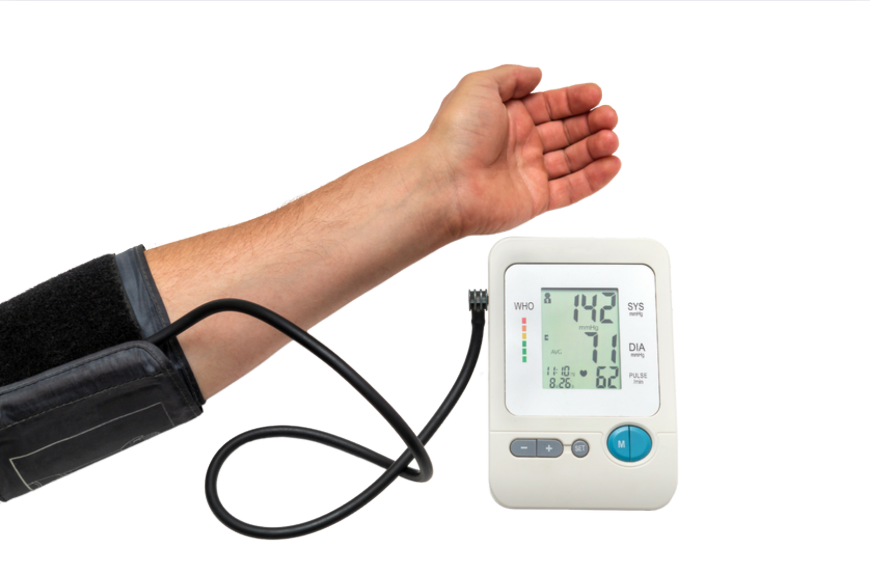
Stay Heart-Healthy with Expert Monitoring at mediDental care in Bayside
High blood pressure (hypertension) and elevated cholesterol are two of the most common—and silent—threats to your health. Left unmanaged, they can lead to heart disease, stroke, kidney problems, and other serious conditions. At mediDental care, we offer routine blood pressure and cholesterol monitoring as part of our commitment to preventive care. Having your blood pressure checked regularly is crucial, as many people are unaware they have high blood pressure until it causes complications. Blood flow through your arteries is directly affected by your blood pressure, and abnormal pressure can damage arterial walls, increasing the risk of cardiovascular disease. As your provider of trusted primary care in Bayside, we make it easy to track your cardiovascular health, understand your blood pressure numbers—which are key indicators for health assessment and diagnosis—and take steps to improve them.
Whether you have a family history of heart disease or just want to stay ahead of risk, we’re here to help you live a longer, healthier life. Blood pressure readings also reflect the health of your arteries, helping to identify issues like atherosclerosis early.
Why Blood Pressure and Cholesterol Matter
Your cardiovascular system works silently around the clock. Blood pressure and cholesterol levels are measured during routine screenings to assess your risk for cardiovascular disease. Blood pressure is measured using two numbers, called systolic and diastolic pressure, which provide important information about your heart health. Monitoring these measured values regularly helps identify potential issues early—before they cause lasting damage.
What Is High Blood Pressure?
Also known as hypertension, high blood pressure occurs when the force of blood pushing against artery walls remains consistently too high. Blood pressure is expressed as two numbers: the first number is the systolic blood pressure, which measures the force of blood against artery walls when the heart contracts, and the second number is the diastolic pressure, which measures the pressure in the arteries when the heart is at rest between beats. Blood pressure is measured in millimeters of mercury (mm Hg).
Normal: Systolic blood pressure less than 120 mm Hg (first number) and diastolic pressure less than 80 mm Hg (second number)
Elevated: Systolic blood pressure 120-129 mm Hg (first number) and diastolic pressure less than 80 mm Hg (second number)
Stage 1 Hypertension: Systolic blood pressure 130-139 mm Hg (first number) or diastolic pressure 80-89 mm Hg (second number)
Stage 2 Hypertension: Systolic blood pressure 140 mm Hg or higher (first number) or diastolic pressure 90 mm Hg or higher (second number)
What Is High Cholesterol?
Cholesterol is a waxy substance used to build cells, but too much can cause artery blockage. Cholesterol is measured through a blood test called a lipid profile, which provides your cholesterol numbers and helps assess your risk for heart disease.
LDL (“bad”) cholesterol: LDL stands for low density lipoprotein. LDL cholesterol is the primary 'bad' cholesterol that should be under 100 mg/dL, as high levels contribute to plaque buildup in arteries and increase cardiovascular risk.
HDL (“good”) cholesterol: HDL stands for high density lipoprotein. High-density lipoprotein is considered 'good' cholesterol because it helps remove excess cholesterol from the bloodstream. Higher than 40 mg/dL (men) or 50 mg/dL (women) is ideal.
Total cholesterol: Ideal is under 200 mg/dL
Cholesterol screening is important for both adults and children, as early detection of abnormal cholesterol numbers can help prevent future cardiovascular disease.
Symptoms of High Blood Pressure or Cholesterol
Often, there are no symptoms until serious damage has occurred. That’s why routine screenings are so important, as they help detect issues early and prevent serious health problems associated with undiagnosed high blood pressure or cholesterol.
You May Experience:
Headaches or dizziness (in some with very high BP)
Chest pain or tightness
Shortness of breath with exertion
Fatigue or confusion
Irregular heartbeats
Still, most people won’t feel anything—until it’s too late. Prevention starts with a simple check-up.
Who Should Be Screened and How Often?
Blood Pressure Monitoring:
Ages 18–39: Every 3–5 years if BP is normal
Ages 40+ or at risk: Annually or more often
High BP or chronic conditions: Every visit or at-home monitoring
Cholesterol Monitoring:
Men age 20+ and Women age 35+: Every 4–6 years if low risk
At-risk individuals (family history, obesity, diabetes): More frequent testing
Step-by-Step Monitoring at mediDental care
1. Comprehensive Risk Assessment
Review of personal and family history
Blood pressure reading using accurate, automated cuffs
Lifestyle factors including diet, activity, tobacco, and stress
2. In-Office Blood Pressure Checks
Seated, relaxed, and performed in a quiet setting
Multiple readings to ensure accuracy
Explanation of your numbers and what they mean, including how systolic and diastolic readings are used to diagnose high blood pressure and determine if treatment is needed
High blood pressure can be effectively treated with lifestyle changes and/or medication.
3. Lab-Based Cholesterol Testing
Lipid panel blood test: Measures LDL, HDL, total cholesterol, triglycerides. Getting your cholesterol checked with a lipid profile is important for detecting high cholesterol early, as it often has no symptoms.
Fasting may be recommended for most accurate results; you should avoid both food and drink (except water) before the test.
4. Personalized Management Plan
Diet and exercise recommendations
Smoking cessation and alcohol moderation
Medication review and prescriptions (e.g., statins, ACE inhibitors): Medicines play a crucial role in managing high blood pressure and cholesterol by helping to control symptoms and reduce the risk of serious health complications.
At-home blood pressure monitor guidance if needed
5. Regular Follow-Up
Scheduled rechecks every 3–6 months or sooner
Ongoing support to track progress and adjust plan
Lifestyle Changes That Support Healthy Numbers
We partner with you to make manageable, meaningful improvements, including making informed choices about foods and fat to support healthy cholesterol and blood pressure.
Nutrition:
Choose more fruits, vegetables, and whole grains
Limit saturated fats, trans fats, and sodium
Eat lean proteins and healthy fats (olive oil, avocado, nuts)
Physical Activity:
Aim for 150 minutes of moderate activity per week
Walking, swimming, biking, or fitness classes
Stress Management:
Mindfulness, deep breathing, and sleep hygiene
Counseling or mental health support when needed
Quit Smoking:
Increases risk of heart disease and stroke
We offer tools and support to help you quit for good
Understanding Your Risk Factors
Knowing your personal risk helps guide our care, especially since unmanaged high blood pressure and cholesterol can lead to serious health problems such as heart attack, stroke, chronic kidney disease, and vascular dementia.
Why Choose mediDental care for Cardiovascular Monitoring in Bayside?
Thorough, evidence-based screening protocols
On-site blood pressure monitoring and lab access
Regular monitoring can help prevent serious complications such as heart attack and hypertensive crisis, which require immediate medical attention.
Culturally competent team dedicated to your long-term health
Personalized education and coaching on heart-healthy habits
Convenient scheduling with same-day or next-day availability
Whether you need annual labs or help managing hypertension, we’re here to support your health goals.
Book Blood Pressure & Cholesterol Screening in Bayside Today
Don’t wait for symptoms to show up—take control of your heart health today. Schedule your blood pressure and cholesterol check with the caring team at mediDental care.