


Facing a tooth that won’t heal can be distressing. At mediDental care in Bayside, our approach to dental extraction emphasizes clear explanation, evidence-based decision making, and compassionate care. We strive to remove uncertainty by walking you through the options, outlining what to expect during the visit, and planning for a smooth recovery. Whether the need is routine or urgent, our focus is on predictable results and preserving long-term oral health.
Extraction is rarely presented as the first choice — preserving natural teeth is always a priority — but when removal is the most prudent clinical step, it should be performed with precision and care. Our team combines up-to-date imaging and clinical judgment to determine whether extraction will relieve pain, stop infection, or support a larger treatment plan such as restorative work or orthodontics.
Deciding to extract a tooth is a clinical judgment made to protect the rest of the mouth. Teeth that are extensively fractured, badly decayed, or a continuing source of infection can harm neighboring teeth and the supporting bone. Removing such a tooth can halt the spread of disease, reduce ongoing pain, and create a healthier environment for healing and future restorative options.
Extraction may also be recommended as part of planned dental work — for example, to create space for proper orthodontic alignment or to prepare a site for implant placement. Your dentist will explain the rationale, review alternatives when appropriate, and document the diagnostic findings that support the recommendation so you can make an informed decision.
Even when extraction is advised, we aim to preserve function and appearance. That means planning for what comes next — from immediate measures to control infection and swelling to long-term restorative planning that restores chewing ability and smile balance.
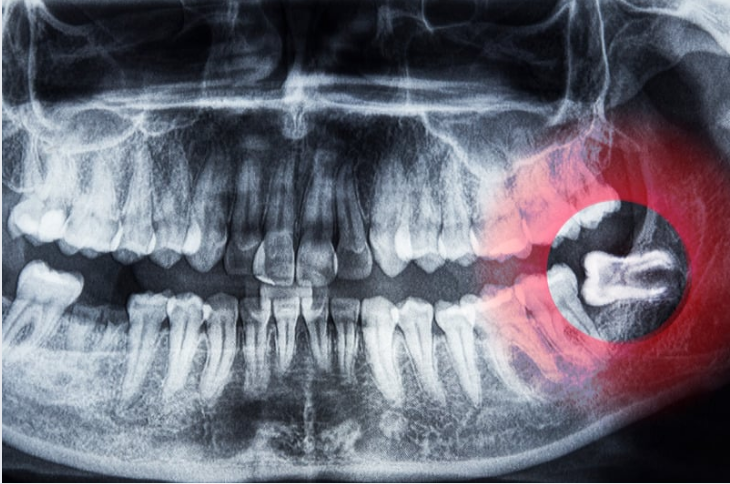
Every extraction begins with a thorough evaluation. Digital X-rays and a careful review of medical history let us assess root anatomy, bone support, and any risk factors for healing. Local anesthesia is the foundation of comfort for most procedures; for patients who experience anxiety or require deeper relaxation, our clinicians can discuss additional sedation options to ensure a comfortable experience.
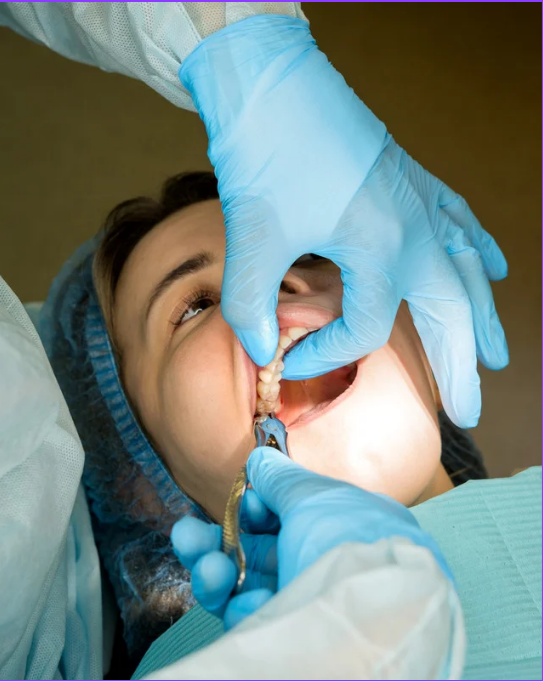
Skilled clinicians tailor the technique to the tooth’s condition. A straightforward, fully erupted tooth is often removed with controlled forceps after loosening the periodontal ligament. Teeth that are broken at the gumline or fully or partially impacted typically require a surgical approach that may include minor incisions and suturing to access and remove the root segments with minimal disruption to surrounding tissues.
Modern instruments and focused surgical technique minimize trauma and support predictable healing. We provide clear, practical instructions after the procedure so you can care for the site effectively and reduce the risk of complications.
There are several clinical situations in which extraction is the best choice. Extensive decay that leaves the tooth non-restorable, a large abscess that threatens adjacent teeth or bone, and severe root or crown fractures are common triggers. Impacted wisdom teeth that cause recurrent pain, infection, or crowding are another frequent reason for extraction.
Advanced gum (periodontal) disease can destroy the tissues and bone that support a tooth. When a tooth becomes loose or is a persistent source of infection because of bone loss, extraction can be an essential step in halting disease progression and allowing the mouth to recover. After healing, we review options for replacing missing teeth when appropriate to restore function and prevent unwanted shifting.
Occasionally, extraction is part of a broader plan — for example, to make room for orthodontic movement or to remove a tooth that compromises the fit of a prosthetic. Your provider will describe the clinical drivers behind any recommendation and outline next steps for restoration when relevant.
Some symptoms should prompt prompt evaluation: severe, persistent tooth pain that worsens despite over-the-counter measures; swelling that affects facial contours or makes swallowing or breathing difficult; a tooth that is loose after trauma; or any sign of spreading infection such as fever with facial swelling. Early assessment reduces the likelihood of more extensive treatment later.
If you are under orthodontic care and an extraction is being considered as part of a plan, coordinate with your orthodontist so timing and tooth selection optimize the overall treatment. We commonly work with specialists when extraction is necessary before beginning appliances like Invisalign or fixed braces to ensure predictable alignment and function.
For sudden or severe problems outside regular hours, resources and guidance can help you find immediate assistance. Our clinic also maintains educational resources and referrals for urgent situations; see our emergency dental care resources for additional information and next steps in an urgent scenario.
A clear aftercare plan is key to a smooth recovery. Typical steps include local wound care, short-term use of prescribed or recommended medications to control pain and inflammation, and instructions to limit excessive exertion and avoid behaviors that disturb the healing clot. Maintaining hydration and a soft-food diet for the first few days supports comfort and healing.
Most patients notice steady improvement over the first week. If pain intensifies, swelling increases markedly, or you experience unusual symptoms such as persistent bleeding or fever, contact your dental team for reassessment. When healing is complete, we’ll discuss options to replace the missing tooth if that is part of your goals — from implant-supported restorations to bridges or removable prosthetics — and help you select the solution that best fits your oral health and lifestyle.
Our office emphasizes coordinated care: clinicians trained in oral surgery techniques provide precise removal when needed, same-day evaluations are available for urgent concerns, and modern diagnostics and minimally invasive tools support predictable outcomes. Clinicians trained in oral surgery techniques work alongside restorative specialists to ensure that extraction is followed by a treatment plan that preserves function and appearance.
Summary: Tooth extraction is a common, carefully considered treatment used when preserving a tooth is no longer in the patient’s best interest. With thoughtful diagnosis, gentle technique, and clear aftercare, extractions can resolve pain, eliminate infection, and set the stage for long-term oral health. If you have questions about whether extraction is the right step for you, or about recovery and replacement options, please contact us for more information.
