Modern dentures combine improved materials, refined clinical techniques, and digital planning to deliver appliances that fit better, look more natural, and feel more comfortable than in the past. While dental implants and fixed restorations are excellent solutions for many people, removable dentures remain a dependable and adaptable option for restoring chewing, speech, and overall facial support when teeth are missing.
At mediDental care, our denture services start with a careful clinical evaluation and a tailored treatment plan that prioritizes long-term oral health and daily function. We work with each patient to design prostheses that restore clear speech, efficient chewing, and a balanced facial profile so you can feel more confident in everyday life.
Tooth loss does more than change the way a smile looks — it alters how the mouth performs. Missing teeth disrupt the normal distribution of biting forces, which can accelerate wear on neighboring teeth and encourage shifting. Over time these changes may lead to uneven chewing, bite misalignment, and muscle tension in the jaw.
Facial appearance is also affected when teeth are absent. Natural teeth provide vertical support for the lips and cheeks; without that support, the lower face can appear collapsed or aged. Appropriately designed dentures restore that vertical dimension and help reestablish facial contours so features look proportionate and refreshed.
Addressing tooth loss in a timely, thoughtful way helps prevent secondary problems. Unfilled spaces allow adjacent teeth to tip or drift, and opposing teeth can over-erupt into gaps, creating more complex restorative needs later. A well-planned denture helps preserve the alignment of remaining teeth and protects the mouth’s overall function.
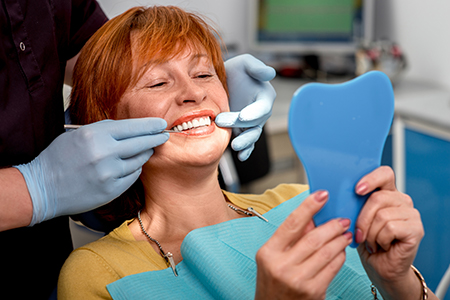
A denture is a removable dental appliance consisting of prosthetic teeth set within a supporting base that rests on the gums. The base is contoured to match the shape of the mouth so the device seats comfortably and distributes chewing forces across the available tissues, improving bite efficiency and helping with speech clarity.
Removability is an intentional design feature: being able to take the denture out nightly makes cleaning both the prosthesis and the gums easier, which supports oral hygiene. Removing the denture for regular cleaning and allowing the tissues to rest overnight are simple habits that contribute to long-term comfort and tissue health.
Contemporary denture fabrication benefits from digital workflows, careful occlusal analysis, and individualized tooth selection. These advances let clinicians fine-tune fit, color, and tooth arrangement so dentures can look natural and align comfortably with facial proportions and speech patterns.
Selecting an appropriate denture depends on how many teeth are missing, the condition of the supporting gums and bone, and the patient’s goals for stability, maintenance, and appearance. A comprehensive clinical exam — often including imaging — helps determine whether a partial, full, or implant-assisted denture best matches a patient’s functional and aesthetic priorities.
Partial dentures are designed to replace one or several missing teeth while working alongside existing natural teeth. They not only restore chewing function but also maintain proper spacing to prevent drifting of adjacent teeth. Partial appliances are available in several frameworks and materials, giving clinicians options to balance strength, comfort, and discreetness.
Full (complete) dentures restore an entire arch when all natural teeth in the arch are missing or require extraction. With careful attention to bite relationships, lip support, and tooth proportions, full dentures can reestablish comfortable function and a pleasing appearance that complements a patient’s facial features.
When creating a complete denture, timing matters. A conventional full denture is fabricated after extraction sites have healed, which helps the prosthesis fit more predictably once soft tissues settle. Multiple impressions and try-in visits are used to capture the changing tissue contours and to verify function and esthetics before the final prosthesis is completed.
Immediate dentures are delivered at the time of tooth removal so patients do not have to go without teeth during healing. While this approach preserves appearance and basic function immediately after extractions, it often requires relining or adjustments as tissues remodel. Careful planning and follow-up are essential to manage these changes smoothly.
Overdentures
Overdentures gain extra retention by fitting over prepared tooth roots or precision attachments. Preserving select roots when appropriate can help maintain bone volume and provide a more stable base for a removable prosthesis.
Implant-supported dentures
Implant-supported designs anchor a removable denture to implants placed in the jaw. This approach improves retention and chewing efficiency while still allowing easy removal for cleaning and maintenance.
A successful denture begins with a detailed oral evaluation that includes assessment of gum health, jaw relationships, and remaining teeth. Precise impressions and bite records create the foundation for a prosthesis built to harmonize with a patient’s bite and facial proportions.
Try-in appointments give patients and clinicians the chance to confirm tooth position, color, and vertical dimension before the final denture is processed. These incremental checks reduce the risk of common issues such as an incorrect bite height or unnatural tooth placement that can affect comfort and function.
When needed, pre-prosthetic procedures — for example, minor soft tissue smoothing or removing compromised teeth — are recommended to improve the denture’s foundation. Addressing these factors ahead of time helps create a stable, long-lasting fit and minimizes the need for frequent adjustments.
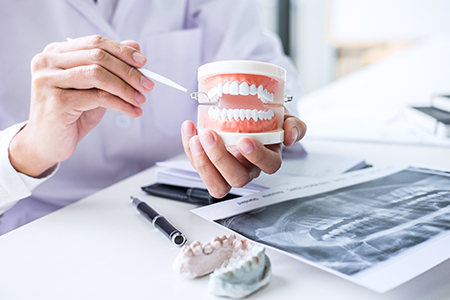
Adjusting to a new denture is a gradual process. In the first days and weeks some patients notice increased saliva production, mild changes in speech, and an adaptation period for chewing. Starting with softer foods and taking smaller bites helps rebuild confidence and function without overwhelming the bite.
Follow-up visits are an important part of the process. These appointments allow clinicians to identify pressure points, refine occlusion, and make targeted adjustments that dramatically improve comfort. If sore spots appear, brief wear and a timely adjustment visit can quickly resolve the issue.
Long-term maintenance includes daily cleaning of the denture, overnight removal to let gums rest, and routine oral examinations to monitor the health of any remaining teeth and supporting tissues. Periodic relines or adjustments may be needed as the mouth’s contours change with time to maintain a secure and comfortable fit.

Successful denture care is a team effort. Honest communication about goals and realistic expectations, consistent hygiene practices, and attendance at follow-up appointments all contribute to a prosthesis that performs well year after year. Our clinicians provide clear guidance on daily care and on recognizing signs that call for professional attention.
At our Bayside, NY practice, we combine tried-and-true techniques with individualized planning to deliver dentures that respect both oral health and personal preferences. The aim is a prosthesis that supports everyday activities — eating, speaking, and smiling — with renewed ease and confidence.
If you would like to learn more about partial, complete, or implant-retained denture options and which approach might suit you best, please contact us for more information.
Today, it’s easier than ever to replace missing teeth and achieve natural-looking, durable, and long-lasting results! Depending on a patient’s dental needs, lifestyle, expectations of care, and budget, choices can include conventional fixed bridgework, dental implants, or removable partial and complete dentures. At the office of mediDental care, we’ll discuss all your options in care and answer all your questions as you choose the solution that’s right for you.
With advances in dental materials and technology, today’s dentures are more comfortable and realistic-looking than ever before.
Whether you wear partial or complete dentures, it’s essential to see the dentist for routine care. Besides checking the fit and condition of your dentures and making any necessary adjustments, you’ll also receive a comprehensive exam to check on the health of any remaining teeth as well as the soft and hard tissues in and around the oral cavity.
A same-day denture offers an accelerated design and fabrication process that allows a patient to go from impression taking to denture insertion in a single day.
For patients who don’t want to wait after having teeth extracted, an immediate denture can be inserted the same day your teeth are removed. Sometime later you may need the denture relined to address any changes in its fit once the extraction sites have completely healed.
While no one wants to drop or break a partial or complete denture, accidents do happen. The good news is that in some cases, your partial or complete denture is reparable. It all depends on the extent of the damage. Don’t hesitate to contact our office if you’ve broken or damaged your denture. We’re happy to help.
The simple act of taking your partial denture in and out can cause certain types of metal clasps to loosen over time. When you come in for your checkup visit or contact our office for an adjustment, we’ll assess the fit of your partial and tighten the clasps for improved stability and comfort.
While rebuilding a complete smile is a worthwhile investment, our office is sensitive to the costs involved in dental care. We customize care and will discuss which treatment options address your needs, lifestyle, and budget. How much a new denture will cost depends on the type of the prosthesis, its design, and the materials used to fabricate the supportive base, teeth, and clasps or precision attachments. Dentures that include the placement of dental implants for added retention and stability typically involve additional costs.
If you have dental insurance, your coverage may include a new or replacement set of dentures. Our staff is happy to review your coverage with you to ensure you are maximizing your insurance benefits while minimizing any out of pocket expenses.
At the office of mediDental care, we provide an extensive range of dental services, including the latest and most effective methods to help patients with missing teeth rebuild complete and beautiful smiles. As skilled and experienced professionals, we recognize that every patient is different, and every smile is unique. We’re passionate about what we do and take great pride in providing personalized treatment plans while treating our patients as valued partners in care.