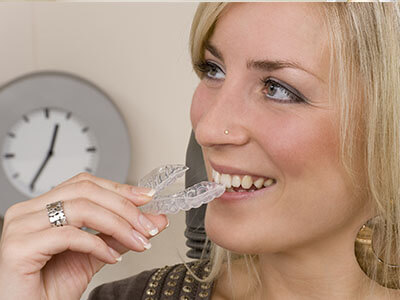
Invisalign® is a modern approach to straightening teeth that prioritizes discretion and daily comfort. Instead of metal brackets and wires, treatment uses a series of clear, removable aligners that fit over your teeth and guide them into improved positions. Many people choose this option because the trays are virtually invisible and can be removed for eating, oral hygiene, and important social moments.
Behind the simplicity of the trays is a precise workflow: three-dimensional imaging, computer-guided staging, and custom-manufactured aligners designed to deliver measured forces at each step. The result is a predictable path toward better alignment that integrates with a busy life—allowing patients to pursue orthodontic goals without wholesale changes to routine.
Invisalign® treatment starts with an exact digital model of the mouth. Clinicians use intraoral scans (or, less commonly, impressions) to create a 3-D map that shows current positions and the intended end result. That digital blueprint lets the team plan movement in small, deliberate increments so every aligner represents a precise stage in the overall correction.
Each aligner is engineered to apply gentle pressure in targeted areas. Because changes occur incrementally, the tissue and bone can adapt more comfortably than with some abrupt mechanical forces. When attachments or precision cutouts are needed, they’re integrated into the plan to improve control of rotations, extrusions, or movements that require added support.
The polymer used for aligners combines flexibility with sufficient stiffness to transfer force reliably. Quality control in manufacturing and adherence to the staged plan are what make movement predictable — and why ongoing clinical oversight matters during treatment to confirm that teeth are tracking as intended.
Clear aligners work well for many adults and older teens who want to correct crowding, spacing, and certain bite irregularities without the visual impact of metal braces. They are a particularly attractive choice for those who value easier brushing and flossing during treatment, or who need an orthodontic option that interferes minimally with diet and activities.
That said, some situations are better managed with alternative or complementary approaches. Significant jaw-skeletal discrepancies, extreme vertical problems, or movements that require significant tooth-by-tooth repositioning may call for traditional orthodontic mechanics or a combined treatment plan. A clinical assessment is the best way to determine whether aligners alone can meet your goals.
Success with any aligner system depends chiefly on patient participation. Consistent wear (as directed by your clinician), good oral hygiene, and timely attendance at follow-up visits are the main predictors of a smooth course and a satisfying final result.
The initial consultation focuses on understanding your concerns and documenting oral health. Your provider will perform a clinical exam to assess teeth, gums, and bite, and will look for any conditions that need attention before orthodontic movement begins. This step ensures that alignment work proceeds on a healthy foundation.
Digital scanning typically follows the exam and captures the data used to create your treatment roadmap. The scan is converted into a staging plan that shows a visual preview of how your smile will evolve. Reviewing that preview together helps set realistic expectations and allows you to discuss functional and aesthetic priorities with your clinician.
Once a plan is agreed upon, the aligner series is fabricated and you’ll receive instructions on wear, care, and the cadence of follow-up appointments. At mediDental care, we emphasize clear communication so patients understand each phase of treatment and feel supported from the first scan through completion.
Because aligners are removable, patients enjoy greater freedom with diet and hygiene — but that flexibility comes with responsibility. For the best results, follow the recommended wear schedule, remove aligners only for meals and cleaning, and avoid leaving them out for long stretches. Consistency is what allows the staged movements to occur on schedule.
Keeping trays clean protects both appearance and dental health. Gently brushing aligners with a soft brush and mild, non-abrasive soap (or using the manufacturer’s cleaning system) helps prevent staining and buildup. Avoid hot water, which can warp the plastic, and always reinsert aligners after brushing to maintain treatment momentum.
Minor soreness during the first couple of days after switching to a new aligner is common and usually resolves quickly. Over-the-counter pain relievers, softer foods for a short time, and warm salt rinses can ease transient discomfort. If an aligner consistently feels misfitted or if unusual symptoms persist, contact your provider so they can evaluate fit and progress.
Treatment typically follows a steady rhythm: initial records and planning, delivery of the first aligners, and periodic reviews to confirm that teeth are responding as expected. Follow-up intervals vary by case; some patients require brief in-office checks every few weeks, while others are reviewed less frequently with virtual check-ins when appropriate.
Refinements are a normal part of contemporary aligner therapy. As teeth approach their target positions, minor adjustments — often in the form of an additional, short aligner series — can correct small discrepancies and help fine-tune the outcome. These refinements contribute to a more precise and personally satisfying result.
Once active alignment is complete, retention is essential. Wearing a retainer stabilizes teeth while surrounding tissues adapt to new positions and helps preserve the improvement over time. Your clinician will recommend a retention plan tailored to your needs and will explain how to integrate retainers into your long-term oral care routine.

The first appointment identifies your goals and checks overall oral health. Digital records and a careful clinical review establish the baseline for a personalized plan that aligns functional priorities with cosmetic objectives.

Digital planning produces an animated preview of expected changes, so you can see the sequence of movement and understand what milestones to expect. This transparency helps set realistic expectations from the outset.
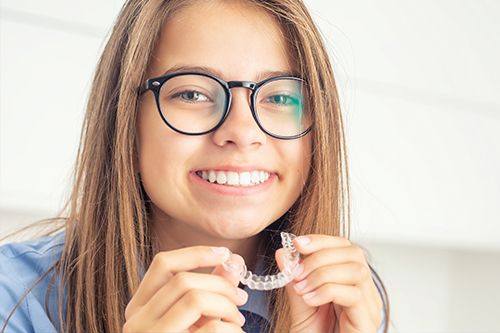
Each tray is custom-formed to your dental anatomy and engineered to deliver measured force where it’s needed most, balancing comfort with reliable tooth movement to achieve predictable results.

Regular reviews allow the clinical team to confirm that teeth are tracking with the plan, address any fit or comfort concerns, and prescribe refinements when adjustments are required to reach the desired outcome.
Short videos can be a helpful complement to in-office instruction, offering a look at how aligners are planned, fabricated, and used in everyday life.
*Invisalign® is a registered trademark of Align Technology, Inc.
Invisalign® blends advanced digital planning, custom aligner fabrication, and attentive clinical oversight to deliver meaningful improvements in alignment and function. When treatment begins with a thorough exam, proceeds with careful monitoring, and ends with a tailored retention strategy, patients often enjoy reliable and lasting outcomes.
To learn more about clear-aligner options and whether they fit your needs, contact mediDental care for additional information and to schedule a consultation.
There are many options for patients who want to avoid metal braces! The most popular alternative orthodontic treatment is Invisalign®, which are clear plastic aligners designed to straighten teeth. After an examination of your teeth, your dentist will determine which option is best suited to your wants and needs.
According to the Invisalign® website, the cost for treatment is approximately the same as the cost for metal braces. A portion of this cost may be covered by your insurance. Please call us to set up a consultation and discuss potential payment plan options.
The first step is to schedule a consultation with your doctor, so they can devise a treatment plan that is best suited to your individual dental needs. Once approved, you will receive your first set of aligners. Your doctor will then regularly monitor the movement of your teeth and new aligners will be ordered according to the progress made in your treatment plan.
Invisalign® aligners are made of clear, flexible plastic. The company received a patent for this material – SmartTrack® – to be used exclusively for Invisalign treatment purposes. These aligners are FDA approved and nearly invisible!
Your doctor will give you an estimate regarding how long your Invisalign® treatment should take, which will depend on your specific needs. The average length of time for treatment is approximately 12-18 months. However, some patients may see results far sooner. Remember to wear your aligners exactly as instructed by your doctor to obtain the best results.
Your doctor will most likely recommend that you wear retainers following your Invisalign® treatment. This is a precaution that will prevent your teeth from shifting back to their original positioning. It is important to follow your doctor's instructions exactly to ensure long-lasting results.
You must wear your aligners for up to 22 hours daily. You may remove them for eating, drinking and regular oral hygiene.
No. Unlike braces, you may eat whatever you like as long as you remove the aligners before eating. Prior to placing the aligners back on, it is important to brush your teeth and the aligners after you eat.
Like any orthodontic treatment, there is a short adjustment period. The more you speak with the aligners on, the quicker you will adjust.
There will be some pressure and minor discomfort for a day or two after each initial insertion. This is a sign that your teeth are moving sequentially into their final position.
It is recommended that you remove your aligners prior to chewing gum as the gum will stick to the aligners.
We discourage smoking with aligners as the cigarette smoke will tend to discolor them.
Brushing them with toothpaste will keep them fresh and clean.
Regular office visits are every five to six weeks. This will ensure that your Invisalign treatment is progressing as planned.
All orthodontic patients are instructed to wear their retainers at night indefinitely. Sleeping with your retainers in at night will ensure a healthy bite and maintain the new position of your teeth.
Yes, if their teeth, including second molars, have grown in completely.