When tooth pain interrupts daily life, understanding the options can reduce anxiety and help you move quickly to a solution. Root canal therapy is a focused procedure that removes infected or inflamed pulp from inside a tooth, halting the disease process while preserving the tooth’s natural structure and appearance. With modern techniques, the procedure aims to relieve pain and restore reliable function without sacrificing the tooth.
At mediDental care in Bayside, NY, our clinicians approach each case with careful diagnostics and an emphasis on patient comfort. This page outlines what root canal therapy accomplishes, common signs that a tooth may need treatment, why professional care matters, what to expect during a visit, and how to protect a treated tooth for years to come.
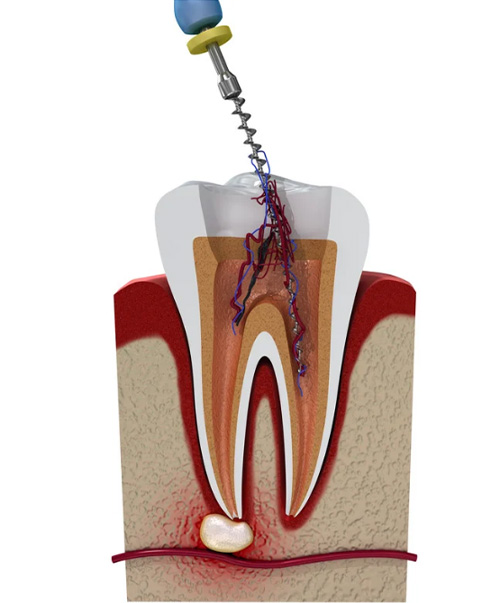
The pulp at the center of a tooth contains nerves and blood vessels that are vital during development but can become a source of pain and infection when compromised. When bacteria reach the pulp through deep decay, cracks, or trauma, inflammation can progress rapidly. Root canal therapy removes diseased tissue, cleans and shapes the internal pathways, and seals them to prevent bacteria from returning—allowing you to keep the natural tooth rather than resorting to extraction.
Beyond removing infection, the procedure reinforces the tooth’s longevity. After the interior is cleaned and filled with a biocompatible material, the tooth is restored with a durable filling or crown to protect against fracture and restore full chewing ability. This layered approach addresses both the biological problem and the mechanical demands placed on the tooth.
Preserving the natural tooth also helps maintain alignment and the health of surrounding structures. When a tooth is lost, neighboring teeth can shift and the supporting jawbone can change over time. Root canal therapy is often the most conservative way to maintain oral function, facial structure, and a natural-looking smile.
Not every toothache means a root canal, but certain symptoms commonly indicate that the pulp may be affected. Persistent, severe pain—particularly throbbing discomfort that lingers after hot or cold exposure—should prompt a professional evaluation. Sensitivity that remains long after the stimulus is gone, pain when biting, swelling of the gums or face, and a tooth that appears discolored can all be signs of deeper infection.
Sometimes a tooth can harbor infection without dramatic pain, especially if the nerve has died and the body has formed a chronic abscess that produces intermittent symptoms. That’s why a clinical exam and diagnostic imaging are essential. X-rays reveal infection around the root, the shape of the canals, and whether surrounding bone is affected—details that guide an effective treatment plan.
Early assessment expands options and often simplifies treatment. Seeking care at the first sign of trouble reduces the likelihood of spread, limits damage to neighboring teeth, and increases the chance of saving the tooth with a predictable outcome. If you notice ongoing symptoms, prompt evaluation is the safest course.
The urge to address severe tooth pain quickly is understandable, but attempting to treat the inner anatomy of a tooth at home is risky. Professional root canal therapy requires sterile technique, specialized instruments, and materials designed to disinfect and seal complex canal systems—factors that are not replicable with makeshift tools or over-the-counter remedies.
Improper attempts at self-treatment can leave infected tissue behind, create new pathways for bacteria, or cause trauma to surrounding soft tissue and bone. These complications may allow an infection to worsen or spread, increasing the need for more extensive care later. Non-sterile instruments and incorrect substances can also introduce new pathogens, making healing more difficult.
If pain feels urgent, a qualified dental practice can provide safe, effective emergency management and a definitive treatment plan. Short-term home measures—such as cold compresses or over-the-counter pain relievers used as directed—may help with comfort, but they are temporary steps until professional care is obtained.
A contemporary root canal procedure follows a careful, stepwise approach designed to minimize discomfort and maximize success. After a thorough exam and necessary X-rays, the tooth is prepared under local anesthesia; many patients report little to no pain during the actual treatment. The clinician isolates the tooth, creates a small access opening, and uses fine instruments along with disinfecting solutions to remove infected pulp and shape the canals for filling.
Once the internal spaces are cleaned and shaped, they are filled with a biocompatible material and sealed to block bacteria from re-entering. Depending on the tooth, a temporary filling may be placed while a laboratory restoration—often a crown—is fabricated to restore strength and form. Restorative choices are based on the tooth’s location and functional needs.
Technological advances—magnification, digital imaging, and improved filling materials—have increased the predictability of outcomes. Many practices also offer options for anxiety management or light sedation for patients who are particularly nervous. Recovery is typically straightforward, and your clinician will provide clear aftercare instructions to support healing.
👉Book Now with mediDental care
Mild soreness or tenderness after a root canal is common for a few days and is usually managed with over-the-counter anti-inflammatory medications as directed. Avoid chewing on the treated side until a permanent restoration is placed to reduce the risk of fracture. Your clinician will advise when it’s safe to resume normal eating and oral hygiene routines.
Long-term success depends on a durable restoration and ongoing preventive care. A well-fitted crown or filling seals the tooth against new contamination and distributes biting forces to reduce fracture risk. Routine dental exams and cleanings allow your provider to monitor the treated tooth and surrounding tissues so any changes are addressed promptly.
In a small number of cases, persistent or recurrent symptoms may indicate complex anatomy or new decay; retreatment or referral to a specialist may be recommended when clinically appropriate. These decisions are made based on current findings and imaging, with the shared goal of preserving natural dentition when possible.
Root canal therapy is a proven, conservative option for eliminating pain and infection while keeping your natural tooth intact. If you have questions about symptoms, the treatment process, or aftercare, please contact us for more information.
A root canal procedure is the best way to save a tooth that has been damaged by decay or injury and preserve your natural smile. The alternative is an extraction and treatment to replace the tooth. While at times a tooth is non-restorable and an extraction is the only option, when possible, it’s best to try and save your natural tooth. With proper care, a tooth with root canal therapy can serve your smile well for many years to come.
Despite lingering myths from before the age of modern dental anesthesia and technology, having a root canal procedure today is as routine and comfortable as visiting the dentist for a filling. While the procedure is performed under local anesthesia with your tooth completely numbed, we can also discuss options in dental sedation.
Whether the symptoms of a dental infection subside after a course of antibiotics, a draining abscess provides you with some temporary pain relief, or a tooth with radiographic evidence of pathology has not yet developed symptoms, it’s essential, before an infection worsens or occurs, to have a root canal procedure performed. In this way, the tooth can be disinfected, filled, and sealed to protect your health and avoid further problems.
If you have sustained a dental injury, have a toothache, jaw pain, swelling, or are experiencing any other unusual and uncomfortable oral symptoms, contact our office immediately for care. Dental problems that have not been evaluated and treated can significantly worsen, producing more severe damage and consequences for the involved teeth, your oral health, and even your overall wellbeing. Once you get in touch with our office, our friendly and compassionate office team will get you in for care at your earliest convenience.
While some root canal procedures can be completed in one visit, others may involve 2 or 3 appointments. How long it takes depends on various factors, including active infection, the number of canals in the tooth, and the tooth’s location or anatomy.
With a success rate that exceeds 95%, root canal therapy remains the most effective procedure to save a tooth in which the inner vital tissues have been damaged. However, as with all healthcare procedures, there are a small percentage of cases where the teeth become symptomatic a second time. The good news is that many of these teeth can still be saved with root canal retreatment or a minor surgical procedure known as an apicoectomy.
The best ways to maintain a tooth with root canal therapy are to get the proper restoration required to rebuild and protect the tooth, maintain proper oral hygiene, and schedule appointments for routine dental checkups and care.
Saving a tooth with root canal therapy is a wise investment that, in the long run, is typically less costly and invasive than having the tooth extracted and replaced with a fixed bridge or implant. As far as the exact cost of care, it can vary depending on which tooth is being treated. Many dental insurance plans provide coverage for root canal therapy. At the office of mediDental care, we do our best to optimize your dental benefits and minimize your out-of-pocket expenses. Our staff will answer all your questions about the cost of care and discuss all your payment options.
At the office of mediDental care, we use the latest technology and most effective methods of care to provide precise and gentle care. Our reputation for excellence is based upon a consistent record of achieving successful treatment outcomes while providing prompt, stress-free, and convenient treatment for every type of dental need.